Resistance, Struggle, and Anti-Imperialism in the Global South
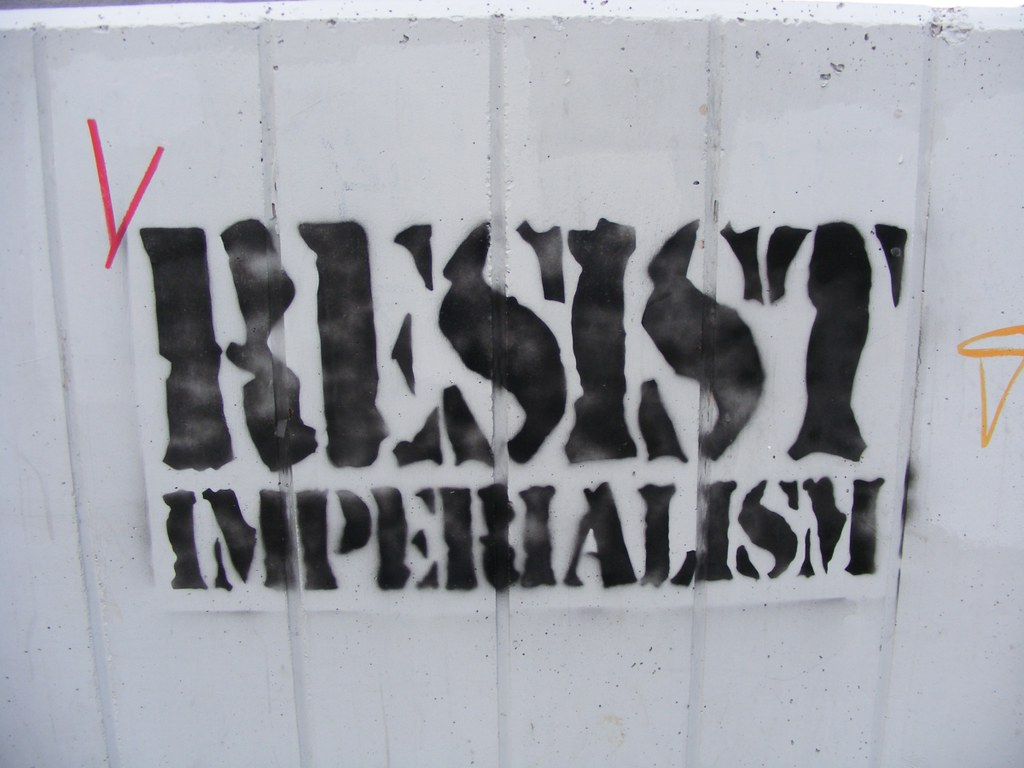
Anti-colonial resistance in Palestine against genocide and settler colonialism has once again brought the question of armed struggle to the forefront of intellectual and political debates on liberation, internationalism, and anti-imperialism. This movement, to borrow from Palestinian writer Abdaljawad Omar, “is a liberation movement with global resonance that represents a universal struggle”—a global resonance today and yesterday, connected to other present and past liberatory movements.
In the decades after World War II, a wide array of radical movements and ideas emerged in what French scholar Alfred Sauvy referred to as the “Third World.” Fueled by the historical legacies of colonialism and structural continuation of different forms of US and European imperialism, these efforts fundamentally shaped the contours of the Global Cold War—a conflict that historian Odd Arne Westad referred to as “a continuation of colonialism through slightly different means.” Collectively, these Global South movements generally posited—through insurgent practices and resistance, theorizing, and movement organization—revolutionary alternatives to an existing exploitative world order. From anti-colonial revolutions, national liberation movements, and the Tricontinental, these efforts generated global visions based on solidarity and internationalism.
What insights and lessons can these histories offer for our increasingly “globalized” present marked by the unfettered circulation of capital and elites and the erection of murderous border walls/surveillance/technology for the masses? A present indelibly, tragically marked by the “end of history” but one that also sees the gradual re-emergence of internationalist horizons fueled by that long-time instigator of revolutionary internationalism, Palestinian resistance and its myriad forms? What is anti-imperialism in our age of genocide and capital-induced environmental catastrophe? What can anti-imperialist thinking, solidarity, organizing today glean from similar movements and moments in the Global South during the Cold War? Alternately, how have anti-imperialist imaginations from the past that never went away continued to shape the present?
In a forthcoming issue of Middle East Critique, authors reckon with these questions and more.Excerpts from the articles of two participating authors are included here in this Special Issue of My Pen is My Machete, the monthly blog of the Anti-Imperialist Scholars Collective.
Alexander Aviña is a member of AISC.